Ash and Elm species are common landscape trees in Kansas
It is critically important that landowners properly ID their trees to anticipate and prevent destructive and costly pest outbreaks.
Scroll down to learn how to quickly identify vulnerable ash and elm trees on your property.
Kansas Ash Trees
Green Ash
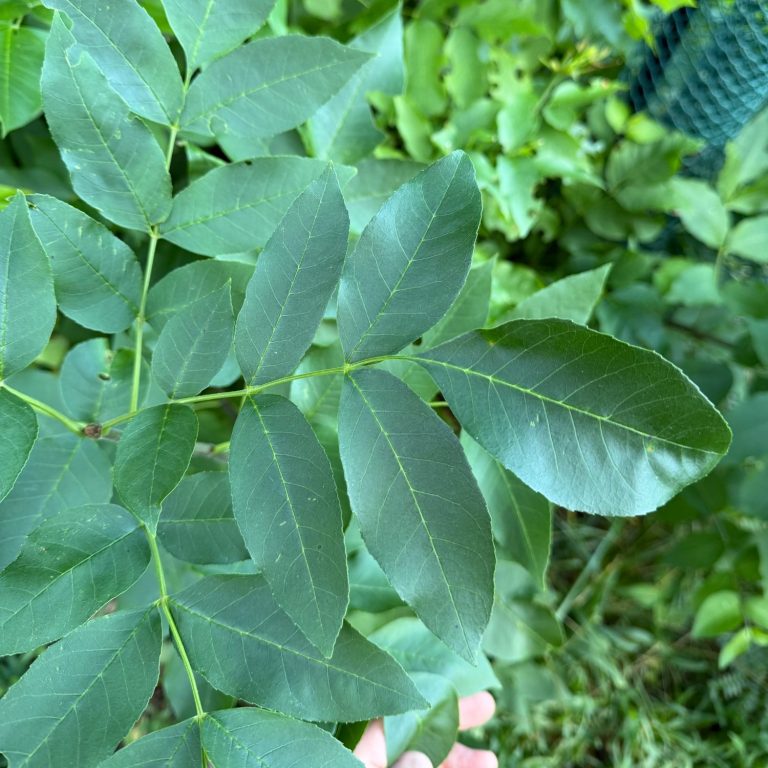
Leaves
Leaves are compound (a single leaf with multiple leaflets) with 5-9 leaflets with slightly serrated edges. Leaflets are pinnate (growing directly across from one another). Leaves turn yellow in the fall.
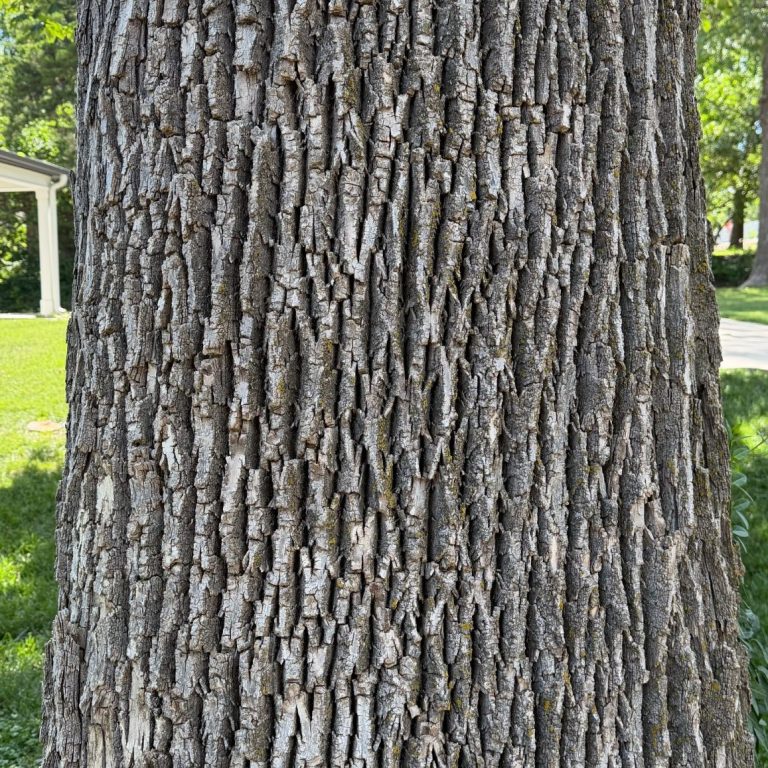
Bark
Bark is light-grey to grey-brown and deeply furrowed, forming diamond-like patterns. The bark is usually the easiest way to identify a green ash tree.
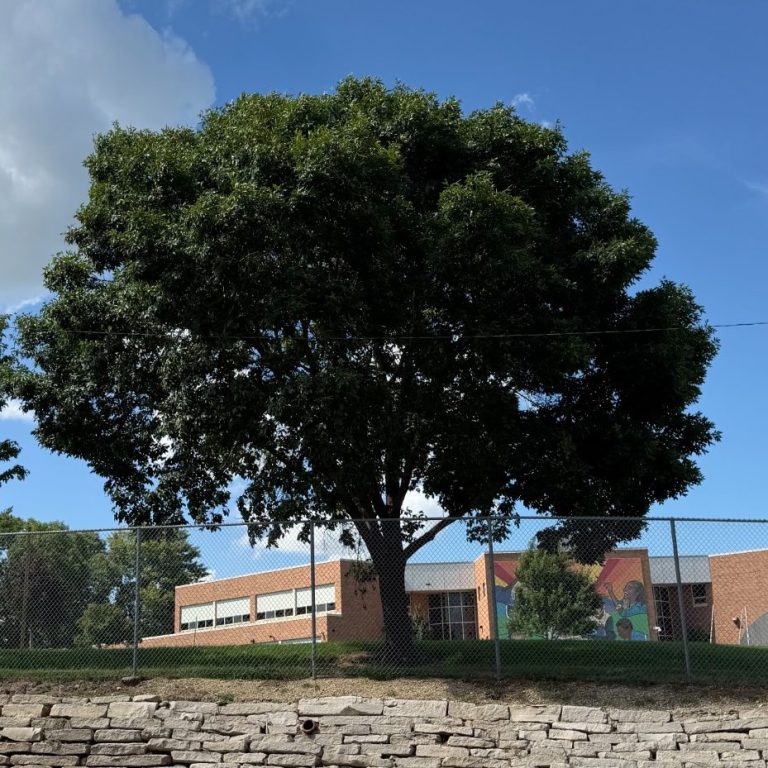
General
Green Ash trees are typically bushy in appearence, and have one or multiple trunks which can split or grow several prominent branches. Mature trees are 50-90 feet tall.
White Ash
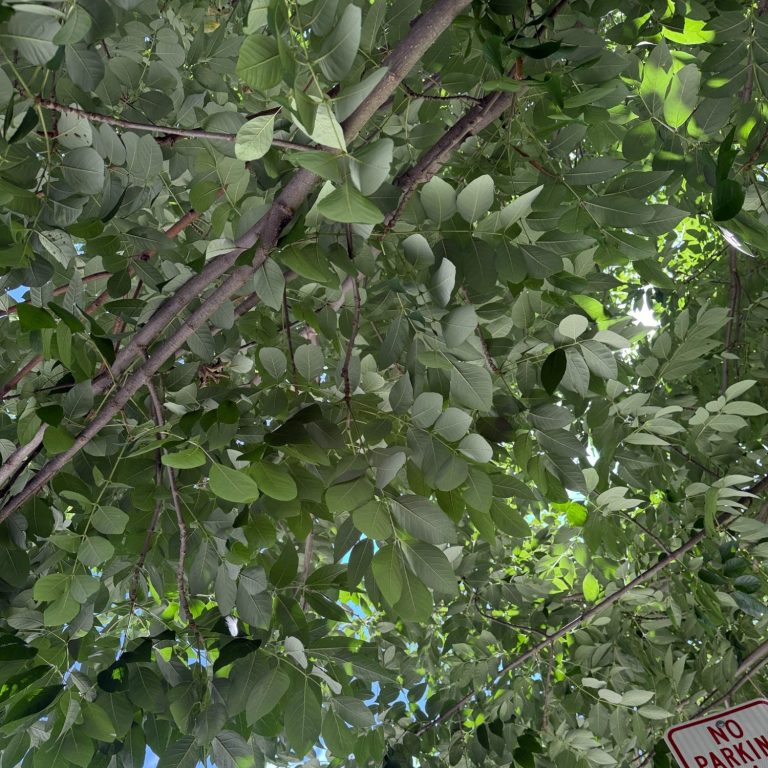
Leaves
Leaves are very similar to green ash (5-9 compound, pinniate leaflets), but is distinguished by the silvery-white undersides. Leaves turn red in the fall.
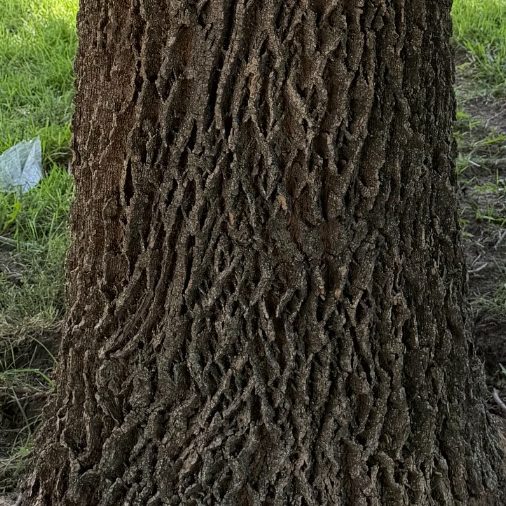
Bark
Bark is similar to Green Ash, but is darker and has deeper furrows. Some White Ash trees flare prominently at the base.
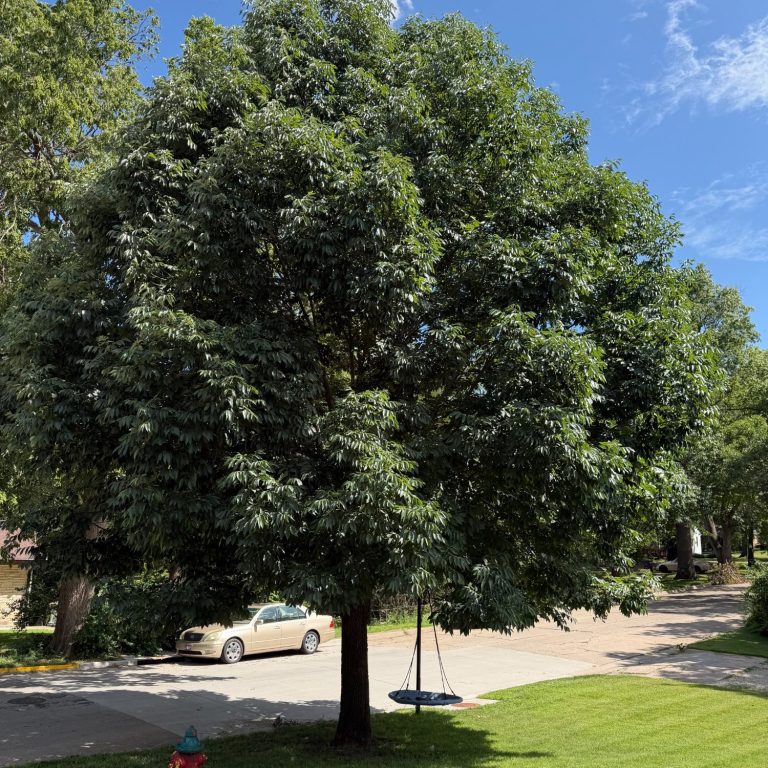
General
White Ash trees are full and bushy in appearence, often having a slightly pyramidal shape. Mature trees can 60-90 feet tall, but often do not grow taller than 50 feet in Kansas.
Kansas Elm Trees
American Elm
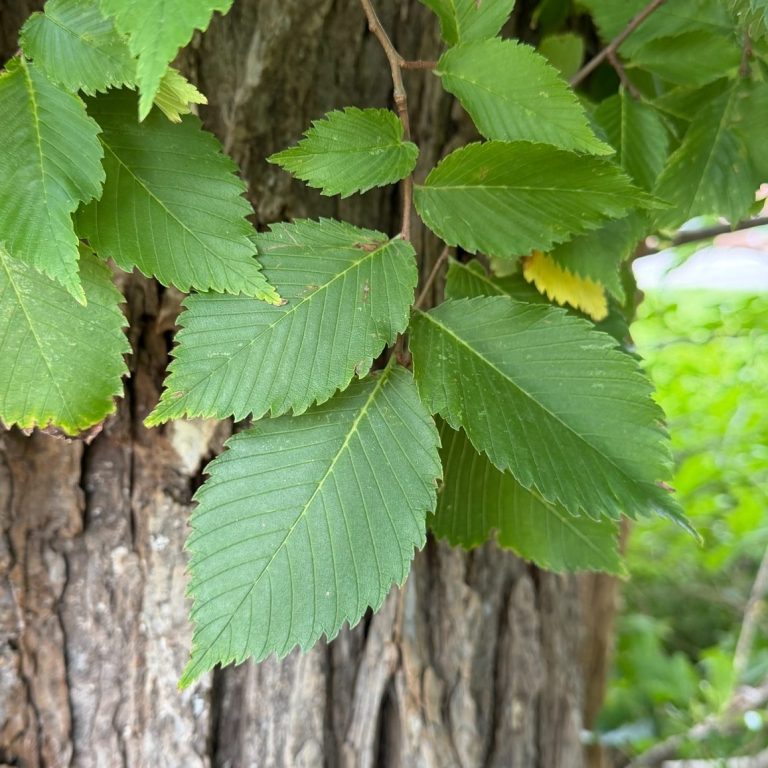
Leaves
Leaves are simple, alternating, have serrated edges, and usually feel rough to the touch.
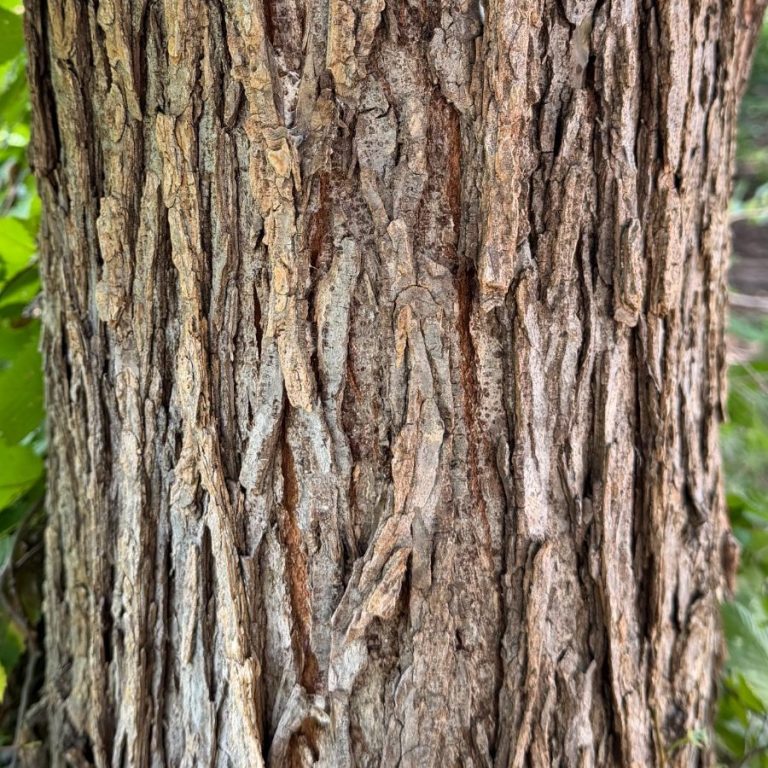
Bark
Bark is light to dark brown, shaggy, and may appear reddish brown in the grooves between furrows.
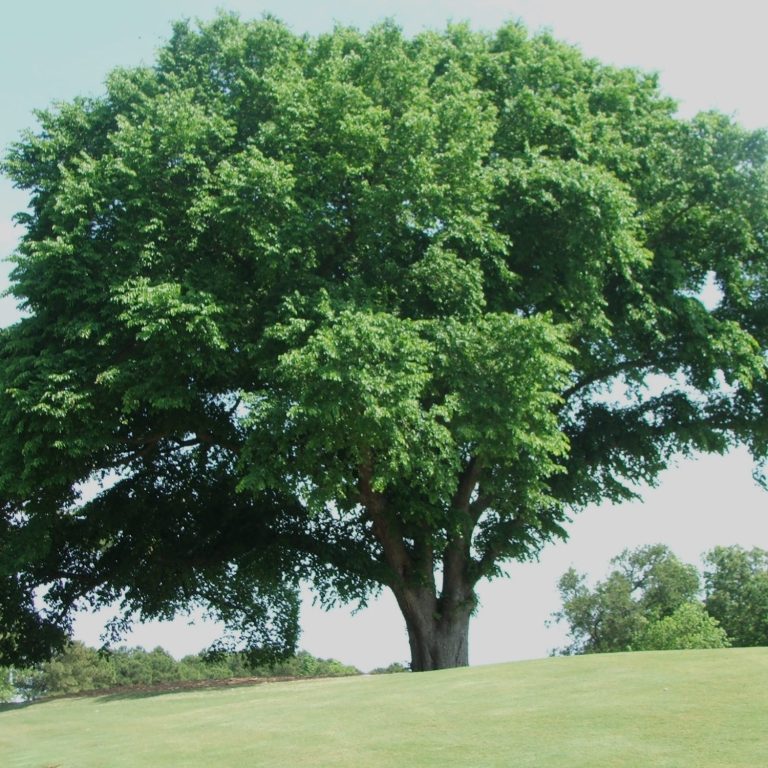
General
American elms may either grow straight up or wider than they are tall depending on conditions. They nearly always have a single trunk and 2-3 major branches. The canopy is usually flat at the top, giving the tree a "vase" shape.
Siberian Elm
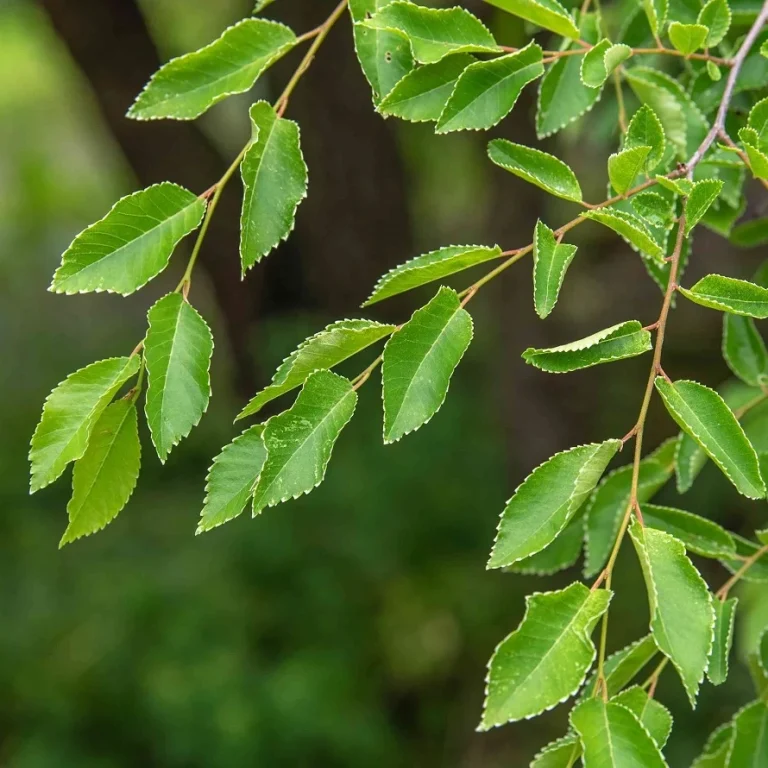
Leaves
Leaves are simple, alternate and serrated like American Elm, but are significantly smaller (usually only 2-3 inches long). Twigs can be long and spindly similar to a willow.
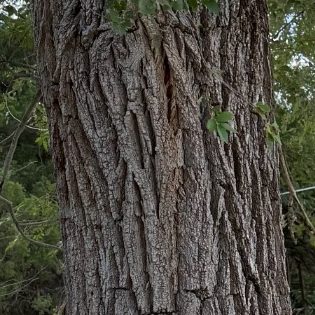
Bark
Bark is light grey to brown, with deep furrows. Siberian elms often have yellow-brown stains on their bark from bacterial wetwood.
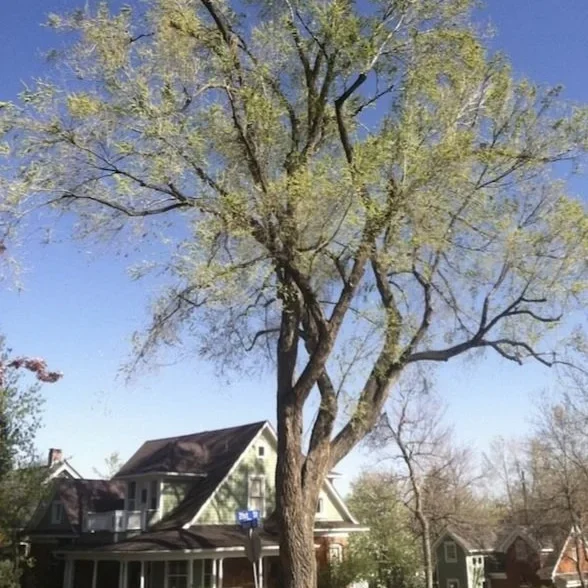
General
Siberian Elms usually grow straight with a single trunk, and reach 50-70 feet when mature. Siberian Elms do not form the same flat "vase" shape as their american counterparts.